
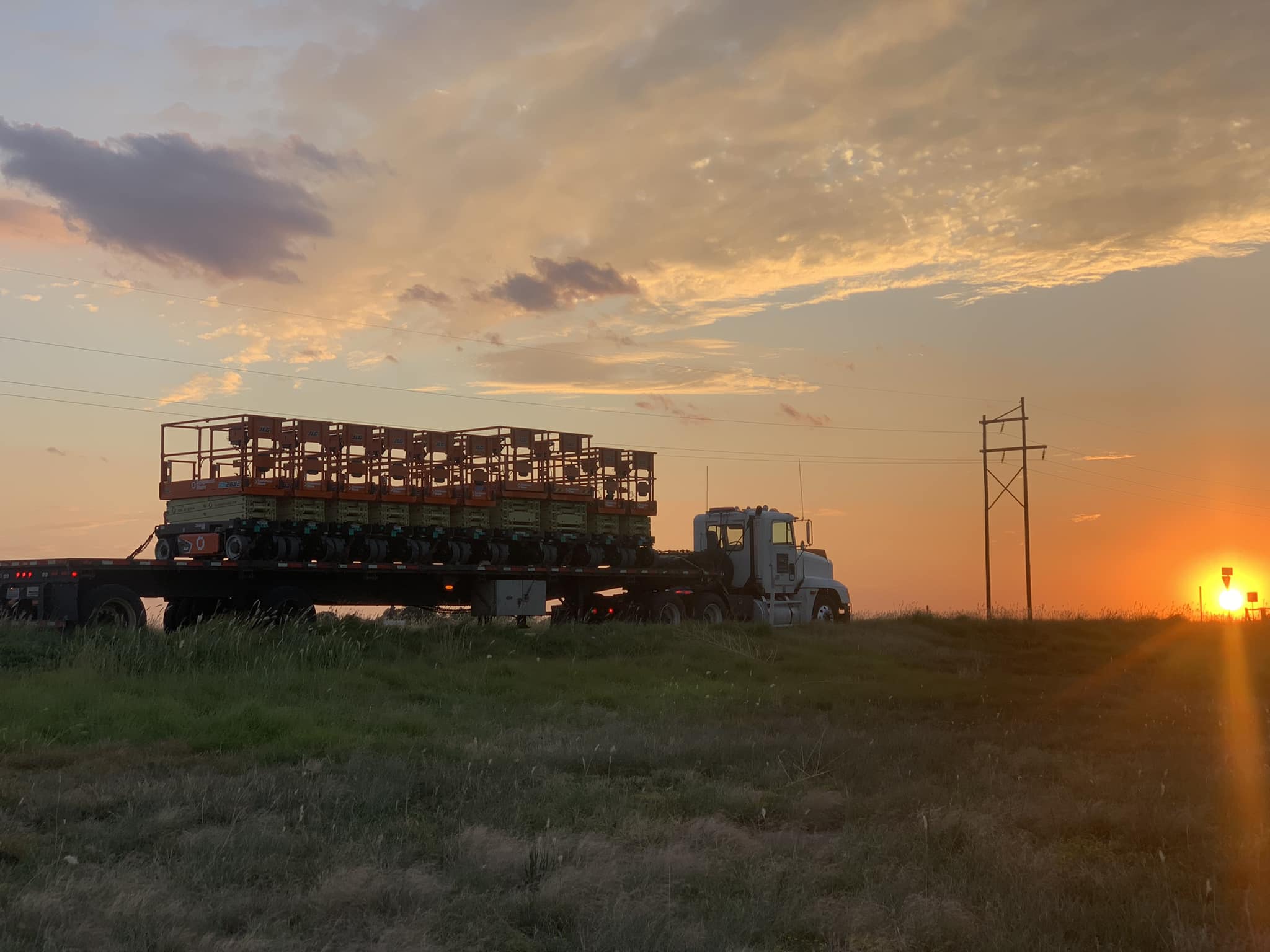
For a lot of folks, trucking is just a job—a paycheck, a career path, a ‘professional driver’ title. But I don’t see it that way. For me, trucking harks back to something more timeless. It’s a way of life, a throwback to the grit and independence that took hold after deregulation. That’s when the owner-operator became king of the road, and trucking turned into something raw, unfiltered, and unapologetically real.
When the industry was deregulated in the late ’70s, it shook things up. The big union carriers lost their grip, and suddenly, anyone with the nerve and know-how to buy a truck could carve out a piece of the pie. It wasn’t about resumes or formal training programs anymore—it was about hustle. Owner-operators stepped up, embodying the spirit of independence. These were people who weren’t content to sit behind the wheel of someone else’s rig and follow orders. They wanted control, and they took it, load by load.
These weren’t company men climbing the ladder or working toward retirement benefits. They were individuals, running lean and relying on their wits, ingenuity, and the truck beneath them. It wasn’t just hauling freight—it was a lifestyle, one where every mile carried a story, and every haul meant something more than just getting paid. Back then, being an owner-operator wasn’t a fallback—it was a badge of honor. It was proof that you were willing to bet on yourself and face the risks head-on.
The trucks weren’t fancy, either. They weren’t packed with luxury features or loaded with tech. They were machines—tools of the trade. And the people who drove them knew every bolt, every bearing. They weren’t professional drivers; they were tradesmen, craftsmen of the open road. They ran without safety nets or dispatchers micromanaging them. It was all on them to find loads, negotiate rates, and keep their rigs rolling.
That’s the trucking I respect—the kind that thrives on independence. Today, the corporate world wants to sanitize it, slap a ‘professional’ label on it, and market it like a nine-to-five. But trucking, for me, still lives in that space carved out after deregulation, where being an owner-operator wasn’t just about making money—it was about living on your own terms. You weren’t just moving goods; you were making a statement: that you could do it your way, with your truck, on your time.
To me, trucking isn’t a job, a career, or even a profession. It’s freedom. It’s a way of taking the risks and reaping the rewards. It’s long hours, tough roads, and figuring it out when something breaks down a hundred miles from nowhere. It’s not for everyone, and that’s exactly why it’s worth doing. Because when you’re an owner-operator, it’s more than a livelihood—it’s a way of life.
The Balance of Patience and Action
12/31/2024
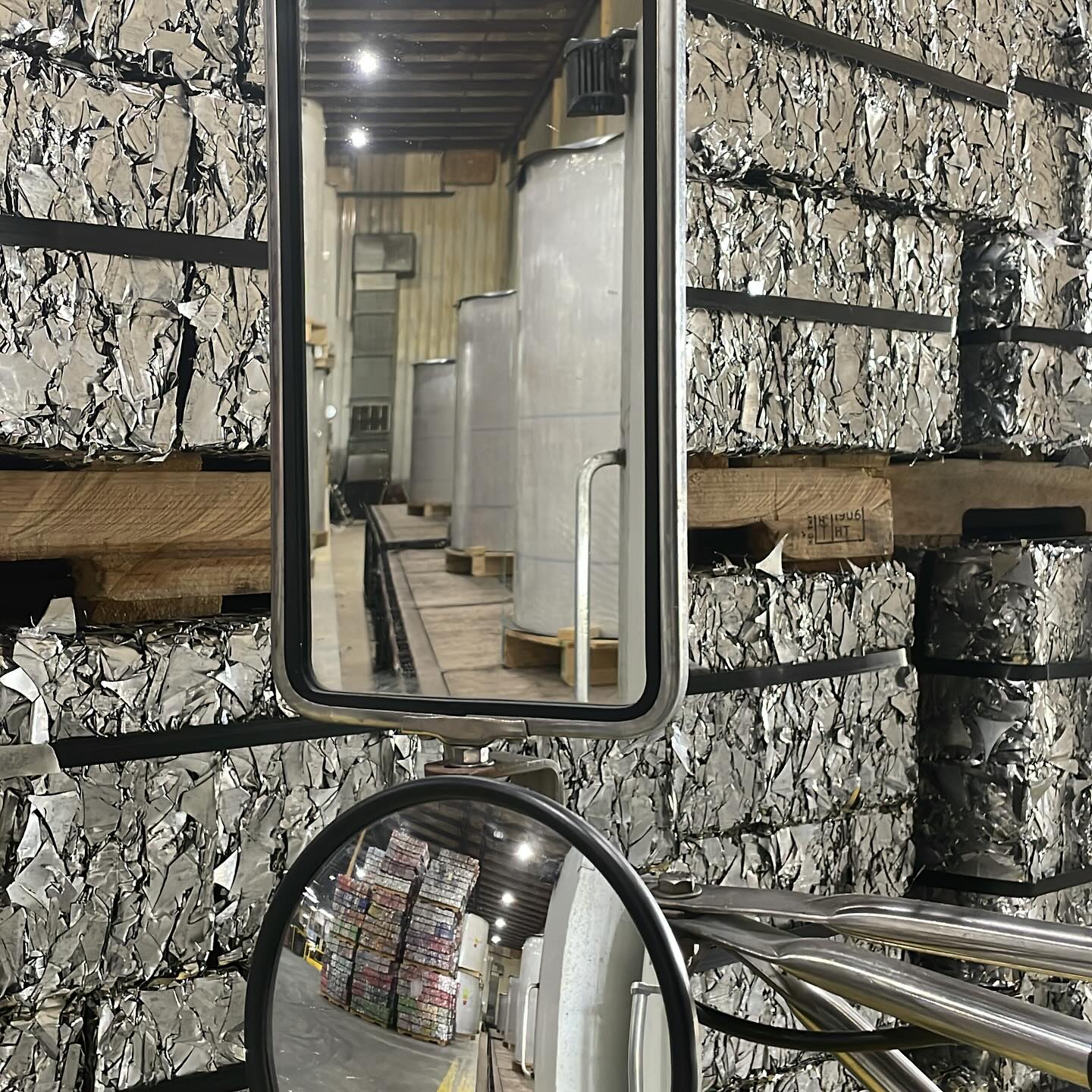
Trucking is a strange dance between patience and action. Out here, you’ve got to know when to wait and when to move. You wait for the load to get booked, you wait for the green light at the weigh station, and you wait for the mechanic when something finally breaks that you can’t fix yourself. Waiting becomes a skill, like driving or negotiating, because if you can’t do it without losing your mind, you won’t last long in this industry.
But trucking also demands action—swift, calculated, no-time-to-waste action. Like when the weather turns on you halfway across Snoqualmie Pass, and you’ve got to chain up fast before the snow buries you. Or when you’re on the phone with a broker who’s trying to lowball you, and you have to flip the script to get the rate you deserve. You can’t hesitate when action is required, but you also can’t be reckless. It’s all about reading the moment.
Patience teaches you to see the long game, to know that the grind pays off over time. Action, though, that’s where you earn your respect—on the road, in the shop, and at the table. The balance between the two isn’t something you’re born with; it’s forged out here on the highways, in the cold mornings, in the late nights when you’re dead tired but still a hundred miles from home. That’s where you learn to trust your instincts and keep moving forward. Because trucking is more than just a job—it’s a test of how well you can handle the wait, the weight, and the work.”
Why My Truck Doesn’t Have a Name
12/23/2024
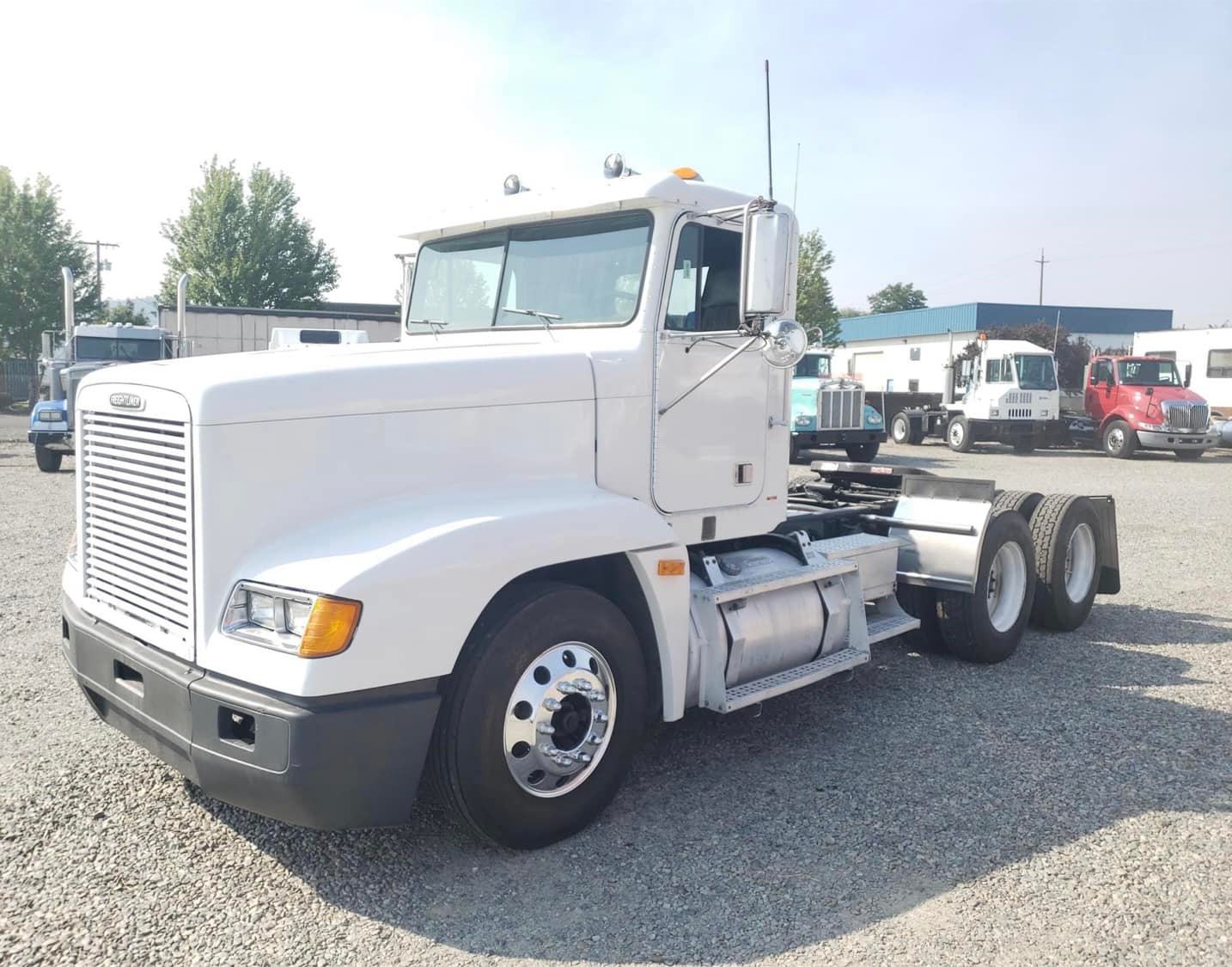
People always ask me what I’ve named my truck, as if every driver out here has some clever nickname like Betsy or Iron Thunder. But I don’t name my truck—not because I don’t care about it, but because I respect it for what it is: a machine. It’s not glamorous, but it’s not neglected either. I keep it clean enough to show pride and maintained enough to remind myself it’s built for work, not luxury.
It doesn’t have a sleeper, and that’s just fine with me. I don’t need creature comforts to get through the day. The cab has what I need—good bones, reliability, and a clear view of the road ahead. Everything else is just excess, and I’ve never been one for excess.
One day, when I’m old and nostalgic, maybe I’ll get sentimental and start calling it something ridiculous like Old Reliable. But for now, it’s a 1999 Freightliner FLD120 with a Detroit Diesel Series 60 engine—a workhorse, not a pet. Naming it would feel like turning something practical into a character in a movie. Every scratch, every speck of grease on it tells the story of its life on the road, and frankly, that’s all the personality it needs.
The Value of the Grind
12/23/2024
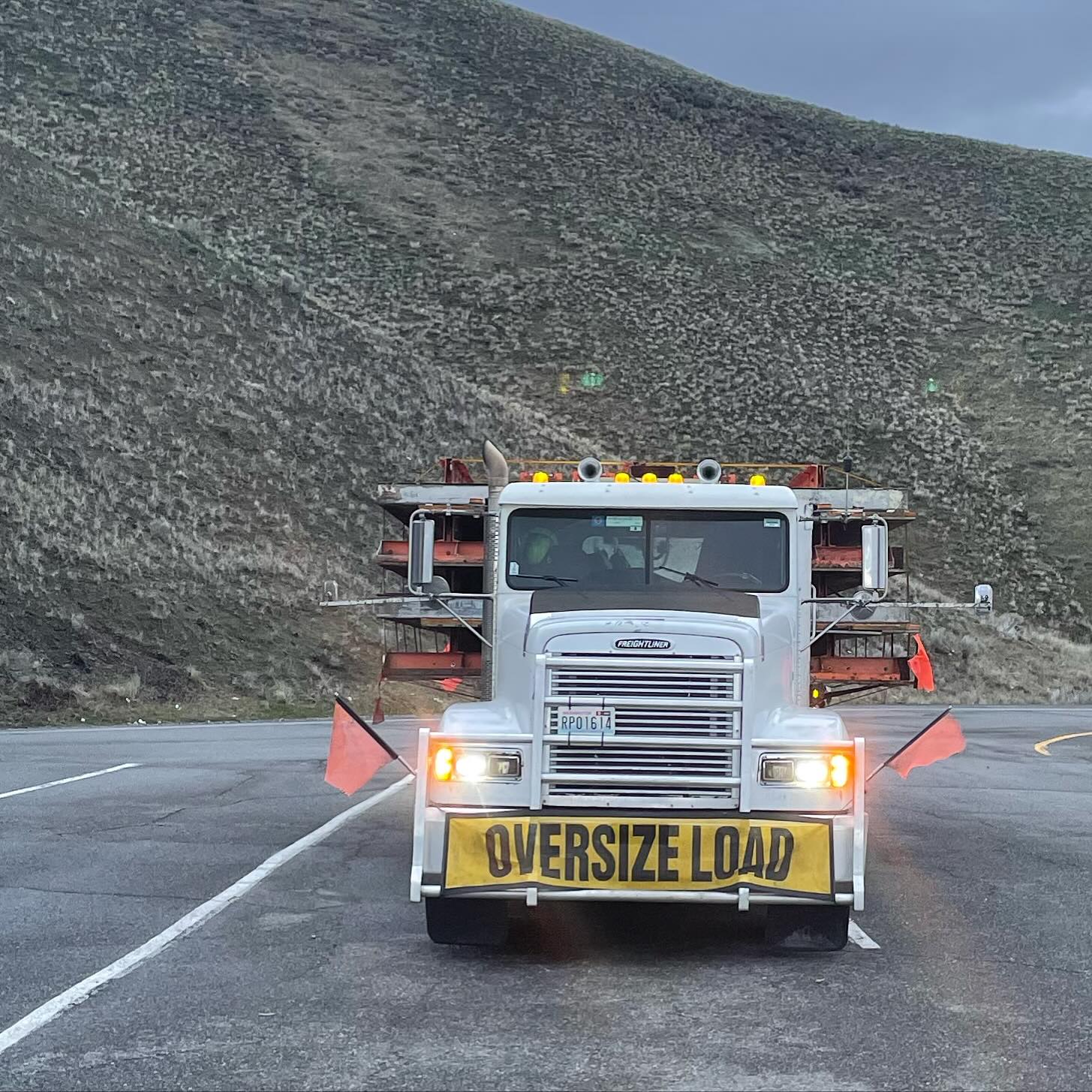
Every so often, an old-timer at a truck stop will remind me that I’m ‘still young’ and tell me about their 40 years behind the wheel, like that alone makes them an expert. I respect their experience—I really do—but trucking isn’t just about how long you’ve been at it. It’s about what you’ve faced out there.
Try navigating the steep grades of the Cascades in the middle of winter, when the snow’s coming down so hard you can barely see the taillights ahead of you. Or threading a narrow mountain pass in western Canada with nothing but a radio warning you of oncoming trucks. Or pulling into a remote logging road, where one wrong turn could have you stuck for hours without cell service. Those are the moments that test you, the ones that separate the drivers from the truckers.
The old-timers have their stories, and I’ve got mine. I’ve driven in the kind of conditions that demand every bit of focus and patience you’ve got. I’ve learned to fix what I can when I’m hundreds of miles from the nearest shop and figured out how to negotiate with brokers who seem to think my time is free. It’s not about clocking decades behind the wheel—it’s about showing up for the hard stuff, learning from it, and coming out the other side with a little more grit and a lot more confidence.
Sure, it’s easier to stick with routine routes and sunny weather, but the real value is in taking on the challenges. Every steep grade, every icy road, every run through rugged terrain isn’t just a job—it’s a lesson. That’s the difference between just driving and being a trucker.